
Securing Your IoT Sensor Network: Best Practices for Sensor-to-Cloud Security

Suman Das
2025-08-26
The Hidden Weak Link in IoT Growth
The Internet of Things (IoT) is no longer a buzzword — it’s powering everything from smart factories to connected healthcare and intelligent logistics.
At the center of this transformation lies the IoT sensor system, quietly collecting and transmitting data that drives real-time decision-making.
But with so much sensitive information flowing from sensors to the cloud, security has become one of the biggest challenges for businesses adopting IoT.
In this blog, you’ll discover practical strategies to secure your IoT sensor network from device to cloud, helping you protect sensitive data, ensure compliance, and build customer trust — without slowing down innovation.
Why IoT Sensor Network Security Matters
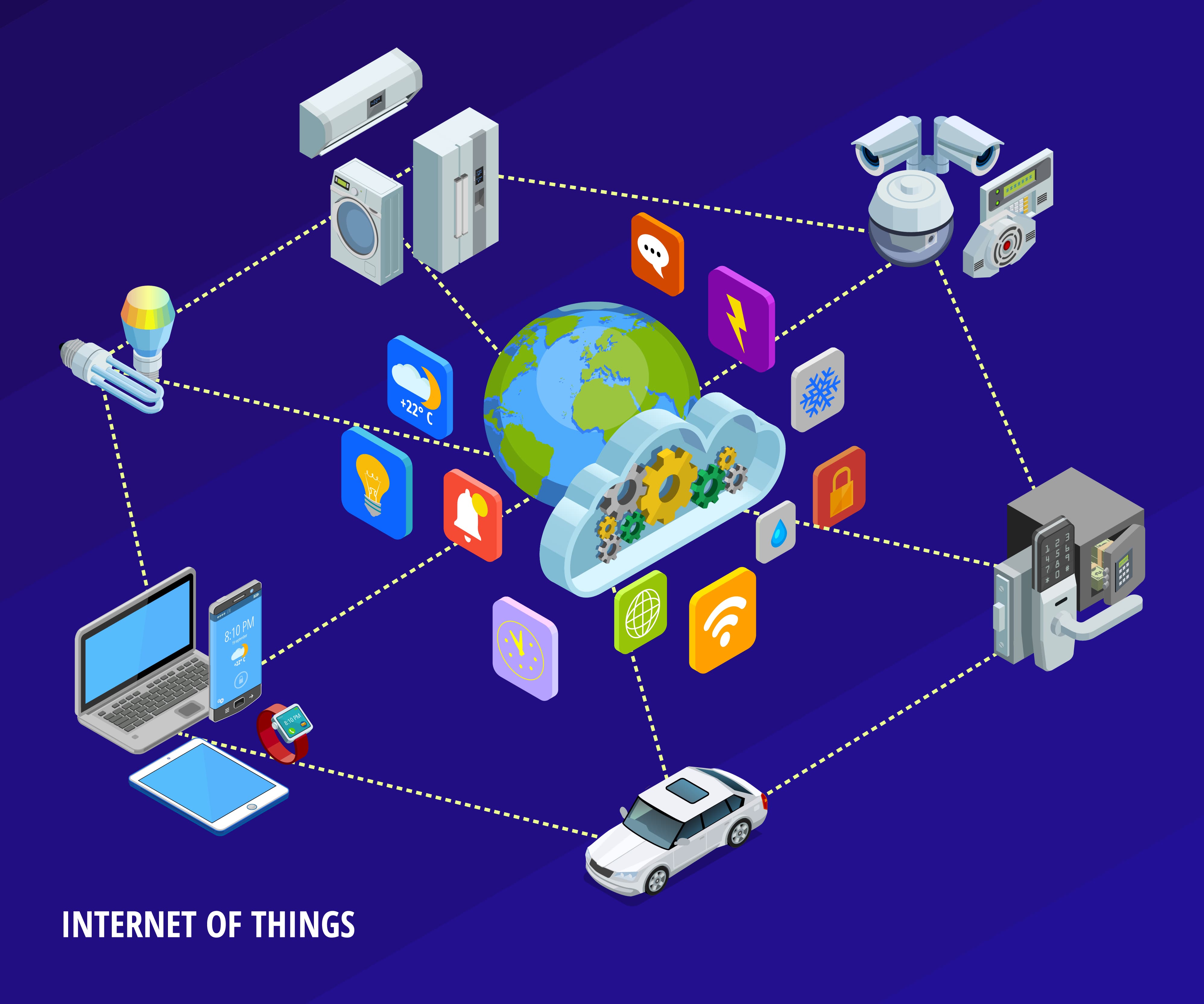 Fig 1: IoT-Sensor-Network-Security.jpg
Every sensor in an IoT system is both a valuable data source and a potential entry point for cyberattacks.
Whether it’s industrial machines, environmental sensors, or healthcare devices, vulnerabilities can lead to:
Data theft (e.g., customer or patient information leaks)
Operational downtime from compromised devices
Financial losses due to fraud or system manipulation
Reputational damage if customers lose trust
Securing the sensor-to-cloud journey is essential not only for business continuity but also for long-term scalability of IoT systems.
Best Practices for Sensor-to-Cloud Security
 Fig 2: Best-Practices-IoT-Sensor-to-Cloud-Security.jpg
1. Start with Secure Device Onboarding
A compromised sensor at setup is a weak link from day one. Businesses should implement:
Unique device identities for each sensor
Strong authentication protocols (certificates, PKI)
Encrypted provisioning during installation
This process makes sure that only trusted devices become part of the Smart IoT sensor system.
2. Use End-to-End Data Encryption
Data often passes through multiple gateways before reaching the cloud. Without encryption, it’s vulnerable at every step. Best practices include:
AES or TLS encryption for all transmissions.
Secure key management to prevent unauthorized access.
Regular certificate updates to maintain trust.
By encrypting data from sensors to the cloud, businesses minimize risks of data interception.
3. Implement Network Segmentation
Not all devices need the same access. Segmenting your Smart IoT sensor system ensures that if one device is compromised, attackers can’t easily move laterally. Strategies include:
Separate VLANs for IoT devices.
Firewall rules that control traffic between segments.
Zero-trust architecture for higher-risk environments.
4. Deploy Edge Security for Real-Time Protection
With many IoT devices relying on edge computing, local security becomes just as important as cloud safeguards. Businesses should adopt:
Using edge AI, systems recognize and respond to abnormal activity in real time.
Local firewalls on gateways for filtering traffic.
Patch management systems to keep edge devices updated.
This ensures security even before data leaves the local network.
5. Monitor and Respond with AI-Powered Analytics
IoT networks generate massive amounts of data, making manual monitoring impossible. AI-powered security systems can:
Detect unusual traffic patterns in real-time.
Predict potential breaches before they escalate.
Trigger automated responses such as device isolation.
Real-time system monitoring allows companies to stay alert and tackle emerging security threats efficiently.
6. Secure Cloud Integration and APIs
Most Smart IoT sensor systems ultimately connect to cloud services for storage and analytics. Weak API connections or poor cloud configurations often create exploitable gaps. To prevent this:
Harden APIs with authentication and throttling.
Enable role-based access controls (RBAC) for cloud resources.
Audit cloud configurations regularly against security benchmarks.
7. Regular Testing and Compliance Audits
Security isn’t a one-time setup. Businesses need ongoing assessments to stay protected:
Penetration testing to identify vulnerabilities.
IoT-specific compliance checks (GDPR, HIPAA, ISO standards).
Vendor security reviews for third-party IoT devices.
Regular audits ensure your IoT ecosystem adapts to new regulations and threats.
The Business Benefits of Securing Your Smart IoT Sensor System
Investing in IoT security isn’t just about avoiding risks — it delivers measurable business value:
Customer trust through secure and reliable IoT services.
Improved uptime with fewer disruptions from cyber incidents.
Regulatory compliance reduces legal and financial penalties.
Future readiness with scalable, resilient IoT architecture.
By prioritizing security, organizations set the foundation for sustainable IoT growth.
Conclusion
Turning IoT Security into a Competitive Advantage
With IoT adoption on the rise, the IoT sensor network is emerging as both a driver of innovation and a high-value target for attackers. Businesses that take a proactive approach — securing devices, encrypting data, segmenting networks, and leveraging AI-powered monitoring — will not only reduce risks but also gain a competitive edge.
Securing sensor-to-cloud connections is no longer optional; it’s the key to unlocking safe, scalable, and future-ready IoT solutions.