
Why Hybrid Mobile App Development Is the Smart Choice for Global Expansion

Suman Das
2025-08-28
 Fig 1: Hybrid-Mobile-App-Development-Multi-Platform. jpg
In today’s digital-first world, businesses no longer compete only in local markets—global reach has become the new growth strategy.
But taking your business worldwide isn’t just about opening in new locations; it’s about reaching customers on their mobile devices, across every region, language, and platform.
This is where Hybrid Mobile App Development steps in.
In this blog, you’ll discover why hybrid apps are not just a cost-saving option but also a strategic advantage for businesses looking to scale globally.
By the end, you’ll understand how hybrid development can give you speed, scalability, and the flexibility to connect with international audiences.
What Is Hybrid Mobile App Development?
Multi-platform mobile app development is the process of building a single app that works across multiple platforms (iOS, Android, and the web) using one shared codebase. Instead of creating separate apps for each operating system, businesses can launch faster, cut costs, and maintain consistency worldwide.
Frameworks like Flutter, React Native, and Ionic make this possible, combining web technologies with near-native app performance.
Why Global Expansion Needs Hybrid Mobile App Development
 Fig 2: Hybrid-Mobile-App-Development-Global-Expansion. jpg
When a company expands globally, it faces challenges beyond translation and marketing. Every country has different devices, internet speeds, user expectations, and regulations. Hybrid apps solve many of these challenges in ways that native apps struggle with.
Let’s explore how.
1. Faster Time-to-Market Across Regions
Global expansion is all about speed. The quicker you can launch in multiple markets, the sooner you can capture customers. Hybrid apps allow businesses to develop once and deploy everywhere, making it possible to enter new markets months faster than native development.
2. Lower Development and Maintenance Costs
Going global means supporting customers across devices, platforms, and time zones. Developing native apps often means hiring separate teams for each platform, which quickly drives up expenses
Hybrid apps cut this in half—a single team can build, update, and maintain the app worldwide. This frees up budget for localization, marketing, and user acquisition in new regions.
3. Seamless Multilingual and Multiregional Support
Expanding globally means addressing language and cultural diversity. Hybrid frameworks make it easier to integrate multilingual features, currency conversions, and location-based personalization within a single app.
For example:
A hybrid e-commerce app can display prices in local currency
A learning app can switch languages based on user location
A travel app can suggest region-specific recommendations
4. Consistent User Experience Everywhere
When entering new regions, ensuring that your brand feels uniform everywhere can be a major challenge.
Customers in the US, India, and Europe should enjoy the same smooth experience, no matter what device they’re on.
Hybrid apps offer a unified design and functionality across platforms, ensuring users worldwide recognize and trust your brand.
5. Scalability for Growing Global Demand
When expanding, businesses must be ready for spikes in downloads and usage. Hybrid frameworks allow for easy feature scaling and performance optimization. Adding new markets or features doesn’t require rebuilding the entire app—it’s as simple as updating the shared codebase.
6. Integration With Global Technologies
Hybrid apps integrate smoothly with AI, IoT, and cloud services, which are essential for businesses targeting global audiences. For instance:
Fintech apps serving global users can leverage AI tools to detect suspicious transactions.
An IoT-driven logistics app can track shipments across continents.
A fitness app can leverage cloud analytics to offer personalized tips worldwide.
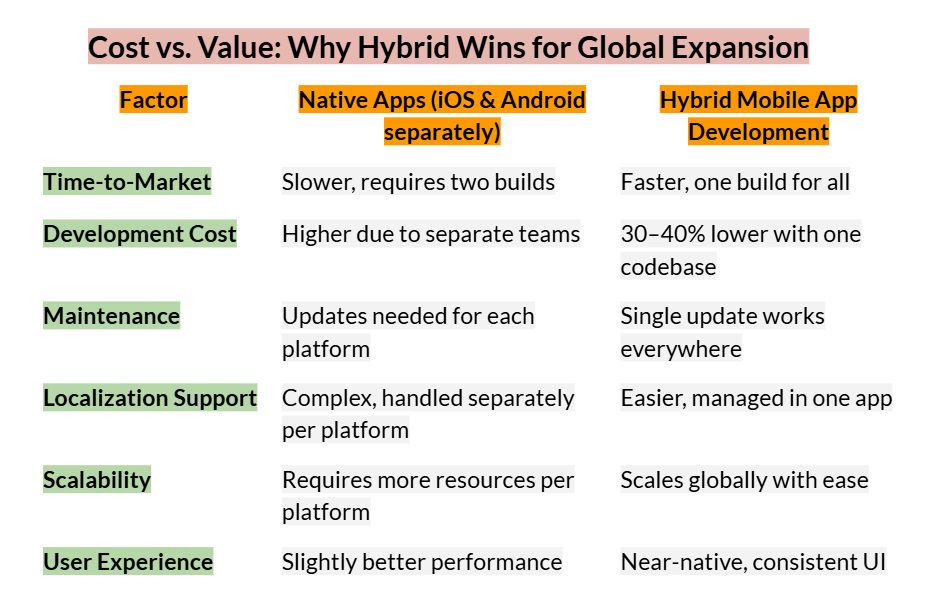 Fig 3: Native-vs-Hybrid-Mobile-App-Development-Comparison.png
Real-World Example: Why Global Brands Choose Hybrid
Many global companies, from Uber to Instagram, use hybrid approaches to ensure their apps perform well in multiple regions without skyrocketing costs. For startups and mid-sized businesses, this model levels the playing field, making global expansion possible without enterprise-level budgets.
Conclusion
Expanding your business globally requires more than just ambition—it requires the right technology to support growth at scale.
Hybrid Mobile App Development is the smart choice for global expansion because it balances speed, cost, scalability, and user experience. Whether you’re a startup aiming to reach new markets or an enterprise optimizing global operations, hybrid apps help you deliver consistent value worldwide.
How UNIHOX Can Help
At UNIHOX Technologies, we specialize in building high-performance hybrid mobile apps designed for global reach. We help businesses cut costs, launch faster, and scale confidently across markets—without compromising quality.