
How AI Development Improves Business Efficiency with Next-Gen Workflow Automation Agents

Super Admin
2025-08-18
Modern AI isn’t just streamlining tasks; it’s reinventing the future of work itself.
With the rise of AI agents, businesses can streamline workflows, reduce costs, and make smarter decisions faster.
These intelligent systems are reshaping what efficiency means for modern organizations.
By the end of this blog, you’ll understand how AI agents work, why they matter, and how they can reshape your organization’s future.
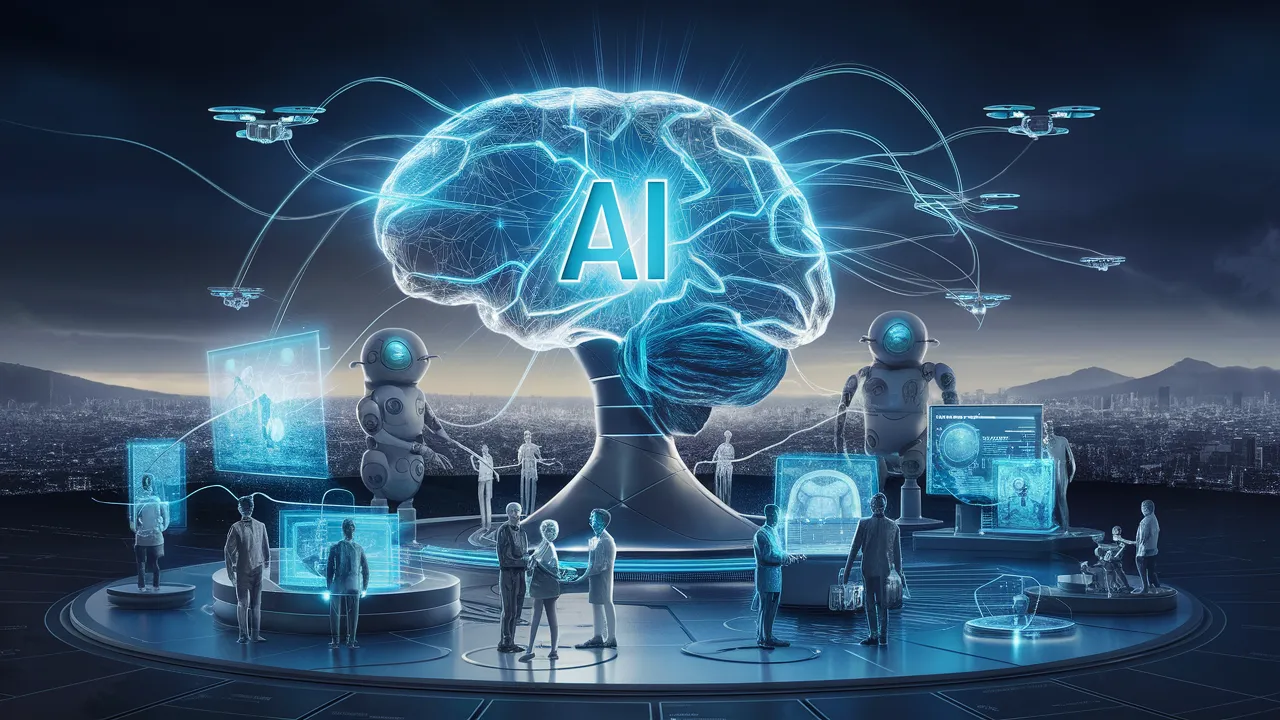 Fig 1: The-Future-of-AI-and-Its-Impact-on-Humanity.jpg
The digital economy is evolving at a rapid pace, and businesses are under constant pressure to do more with less.
Leaders are seeking ways to cut operational costs, improve accuracy, and scale faster. This is where AI development steps in.
In particular, AI agents — autonomous systems that can analyze, decide, and act without constant human oversight — are emerging as a game-changer. They don’t just automate tasks; they rethink workflows entirely.
This blog explores how AI development improves business efficiency and why AI agents are becoming the future of workflow automation.
What Are AI Agents in Workflow Automation?
 Fig 2: AI-Agents-in-Workflow-Automation.jpg
AI agents are smart digital systems that use technologies like machine learning and natural language processing to analyze information and act on it. While traditional automation tools only follow pre-defined steps, AI agents:
Learn from past data
Adapt to new conditions
Collaborate with humans in real time
Execute tasks across multiple applications
For example, instead of a simple bot that files invoices, an AI agent can:
Read and verify invoice details
Match them against purchase orders
Flag anomalies
Automatically update financial systems
This shift from rule-based automation to adaptive, decision-making AI agents explains why more organizations are investing in AI development.
How AI Development Improves Business Efficiency
 Fig 3: AI-Agents-in-Workflow-Automation.jpg
1. Reducing Manual Work and Repetition
Traditional workflows often involve repetitive tasks – data entry, scheduling, reporting – that consume valuable employee hours.
AI development introduces agents that handle these processes automatically.
With repetitive work handled accurately, staff can redirect their energy toward creative solutions and higher-impact goals.
Efficiency Impact: Employees save time, operational costs drop, and productivity rises.
2. Enhancing Decision-Making with Real-Time Data
Business leaders need accurate insights to make fast decisions. AI agents can pull data from multiple sources, analyze patterns, and provide real-time recommendations.
For example, a supply chain AI agent can monitor demand, inventory, and logistics to suggest optimal restocking strategies.
Efficiency Impact: Faster, data-backed decisions reduce risks and improve responsiveness.
3. Improving Workflow Speed Through Intelligent Integration
Modern organizations rely on dozens of applications. Moving data between these systems often creates bottlenecks. AI development enables agents to act as connectors, integrating tools such as CRMs, ERPs, and communication platforms.
Efficiency Impact: Eliminates silos and accelerates end-to-end workflows.
4. Personalized Customer and Employee Experiences
AI-powered workflow agents can personalize customer support through chatbots or assist employees by automating internal tasks like onboarding.
These personalized interactions not only improve satisfaction but also increase retention.
Efficiency Impact: Better experiences drive loyalty while reducing the need for manual interventions.
5. Scaling Operations Without Adding Costs
Manual processes may work in the early stages, but they quickly become barriers as organizations scale.
AI development allows organizations to add AI agents instead of new headcount, making scaling both cost-effective and efficient.
Efficiency Impact: Businesses expand without proportional increases in overhead.
Why AI Agents Will Redefine Workflow Automation in Business
 Fig 4: AI-Agents-Business-Workflow-Automation.jpg
Autonomy and Adaptability
Unlike static automation tools, AI agents evolve. They don’t just execute pre-set rules; they learn from interactions and continuously improve. This adaptability ensures they remain effective even as business processes change.
Multi-Agent Collaboration
The future will likely involve networks of AI agents—each handling specialized tasks (finance, HR, IT)—working together seamlessly.
This orchestrated collaboration mirrors how human teams operate, but at a much faster scale.
Integration with Emerging Technologies
AI agents are increasingly being paired with IoT devices, blockchain, and cloud platforms, creating smart ecosystems. For instance, IoT sensors feeding real-time data into AI agents can trigger immediate supply chain actions, making workflows more proactive than reactive.
Challenges Businesses Should Consider
While the benefits are clear, adopting AI agents does come with considerations:
Data Privacy: Agents need access to sensitive business data. Strong security protocols are essential.
Change Management: Employees may resist automation. Training and communication are key.
Initial Investment: Developing custom AI solutions requires upfront resources, but long-term ROI is high.
Addressing these challenges early ensures smooth adoption.
Practical Steps for Business Leaders
If you’re considering AI agents for workflow automation, here’s how to begin:
Identify Repetitive Tasks: Start small by automating high-volume, low-complexity workflows.
Leverage Existing Data: AI systems deliver the best results when the data behind them is reliable, well-structured, and easy to access.
Choose the Right Partner: Work with experienced AI developers who understand both technology and business needs.
Pilot Before Scaling: Test with a single department or workflow before enterprise-wide rollout. Measure ROI: Track metrics such as time saved, cost reductions, and error rates.
Conclusion
AI is no longer an experiment on the horizon; it’s a force transforming how companies function today. From routine automation to advanced decision-making, AI agents are reshaping what productivity looks like in modern enterprises.
For business leaders and decision-makers, the message is clear: those who invest in AI-driven workflow automation today will gain a competitive edge tomorrow.
At UNIHOX Technologies, we help organizations unlock this potential through custom AI solutions designed to improve business efficiency.